
We are thrilled to announce the names of the artists selected
for the 2026 edition of the PREZIOSA YOUNG international competition
organized by Le Arti Orafe
The winners are
Special prizes awarded by the competition partners
LAO SPECIAL PRIZE
One week as Artist in Residence at LAO
Awarded to Jiangling Wang
INHORGENTA PRIZE,
by Irina Probst
a free exhibition space for the 2027 edition of the fair
assigned to Lois Lo
LOST IN JEWELLERY MAGAZINE PRIZE,
by Laura Helena Aureli
5 days of advertising and promotion
on social media and the website, on the
LIJM Website page “A Room with a View”
awarded to Jiangling Wang
MYBAYBYDAYGALLERY PRIZE,
by Laura Helena Aureli
5 days of advertising and promotion on social media
and on the website, on a page dedicated exclusively to the artist on the Gallery’s website
won by Lulu Tian
JOURNAL DES BIJOUX PRIZE,
by Laura Astrologo Porché
a post on Instagram @journaldesbijoux and a
post on LinkedIn Laura Journal des Bijoux
given to Lulu Tian
Please wait while flipbook is loading. For more related info, FAQs and issues please refer to DearFlip WordPress Flipbook Plugin Help documentation.
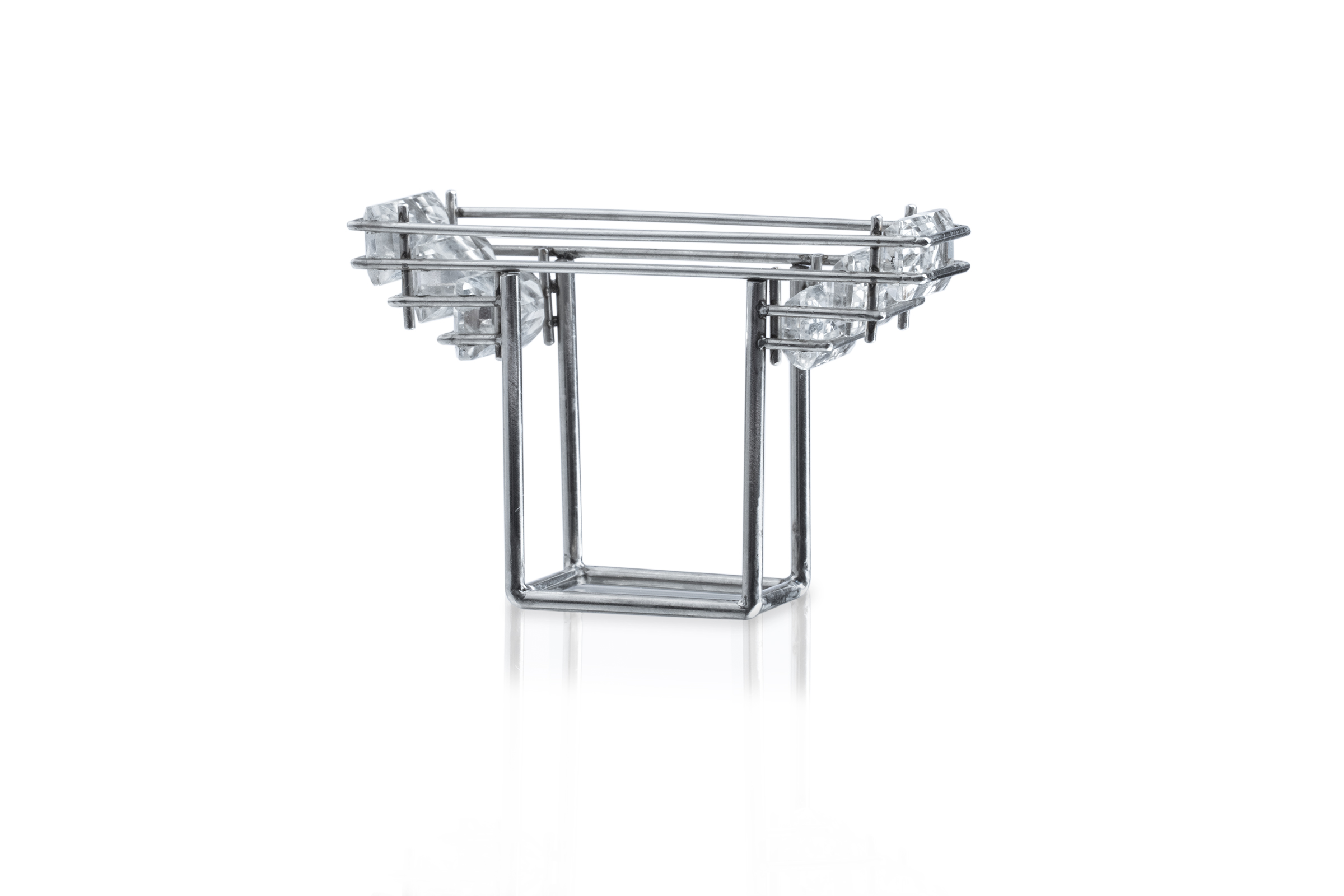
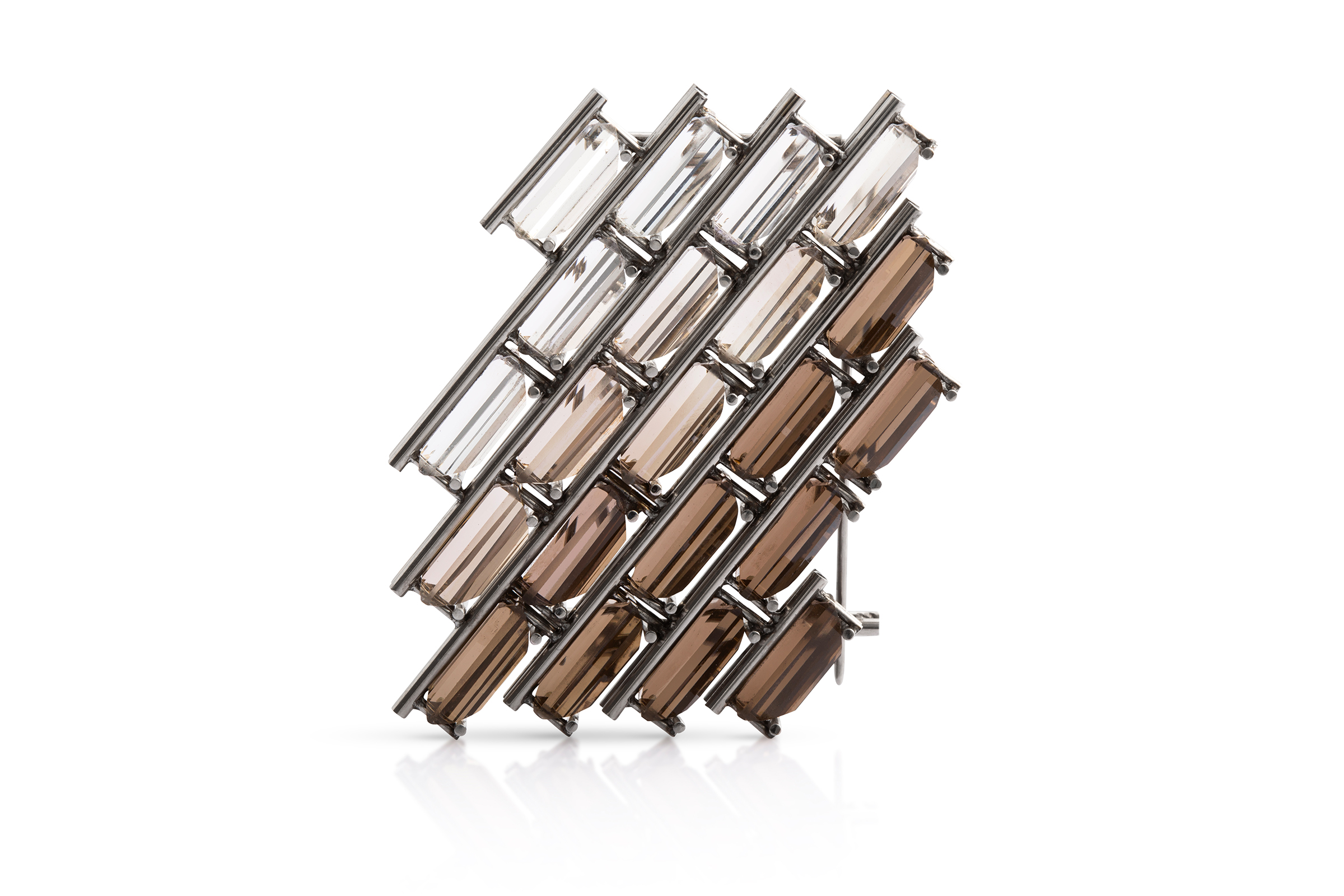
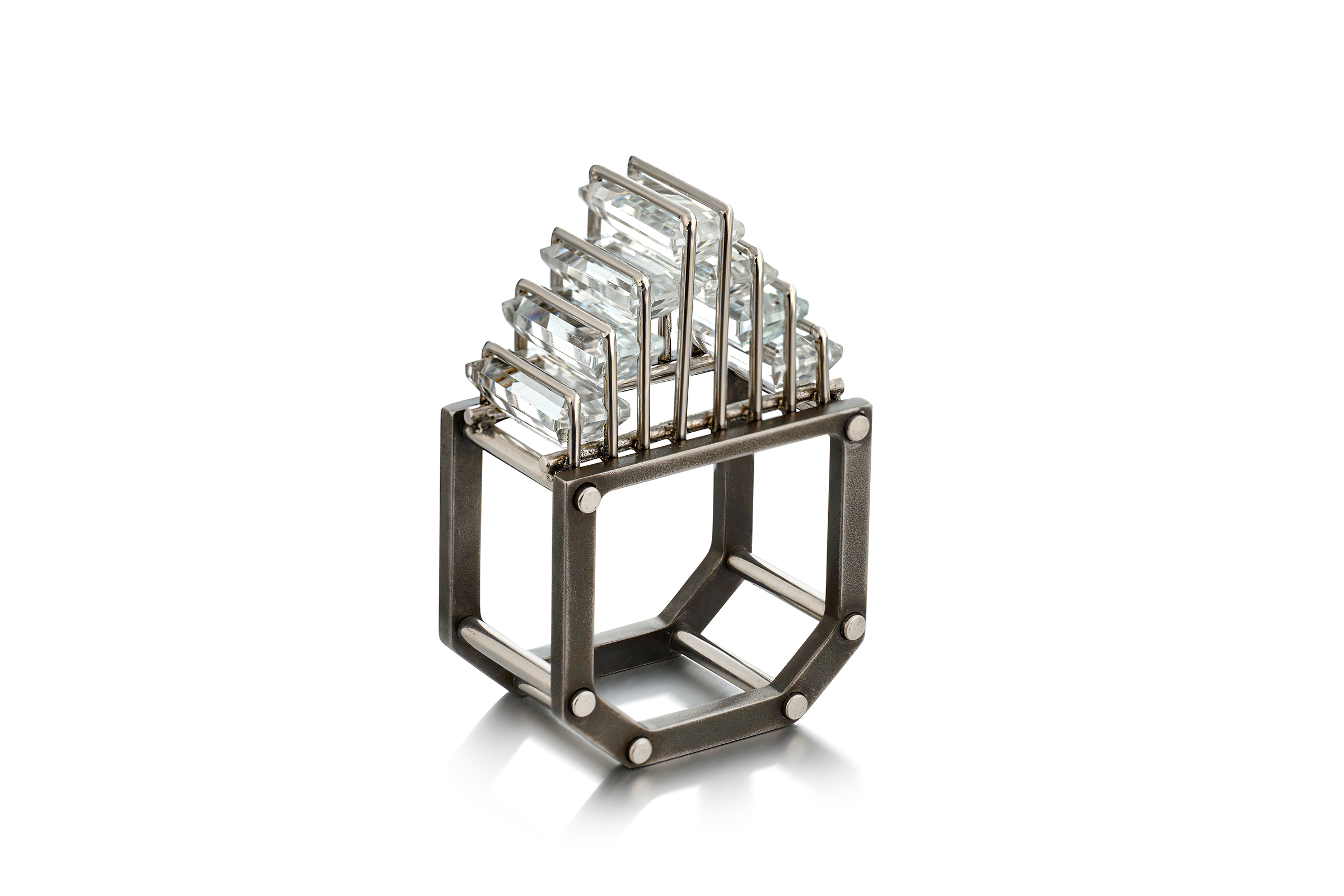
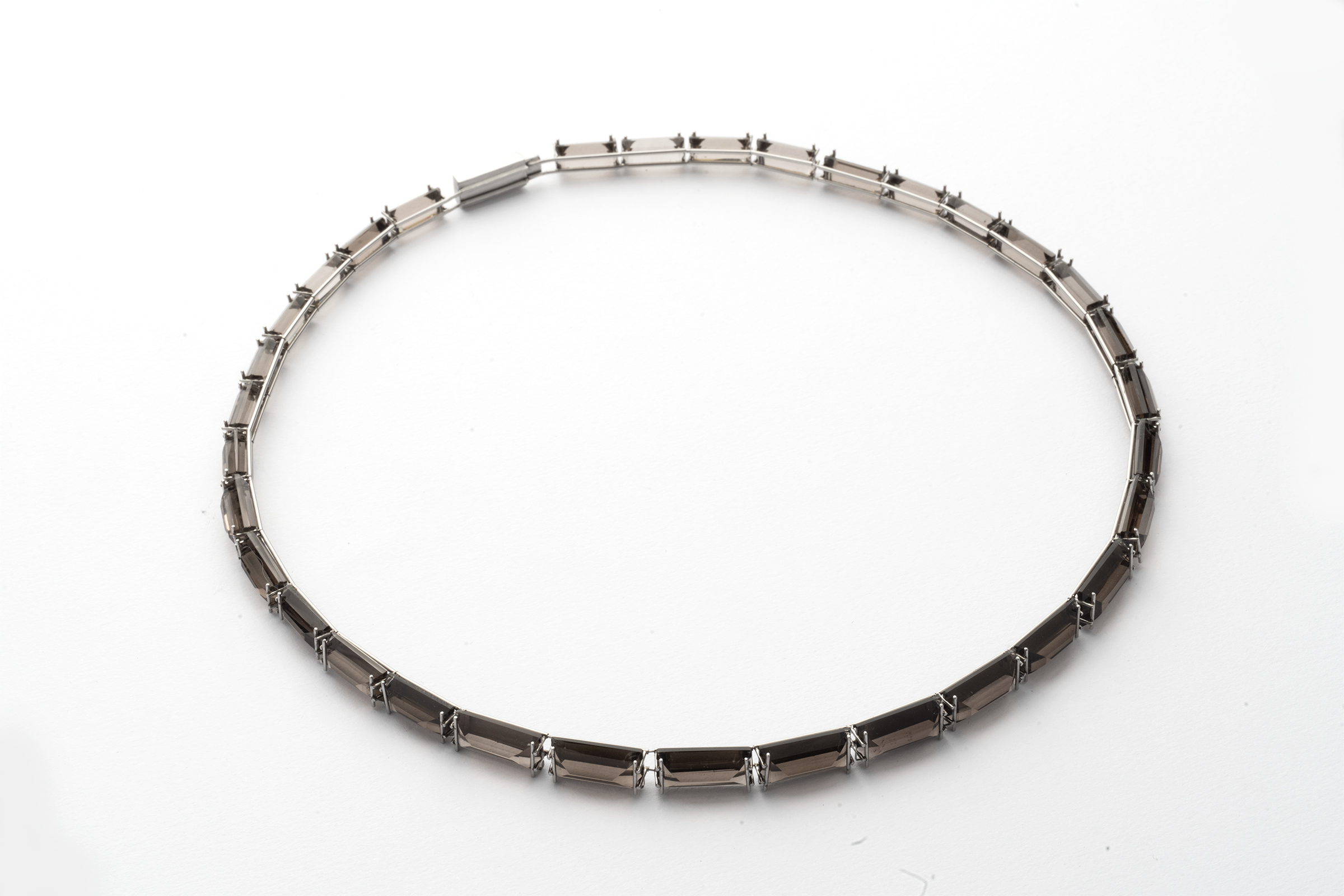
Lois Lo
Lois Lo
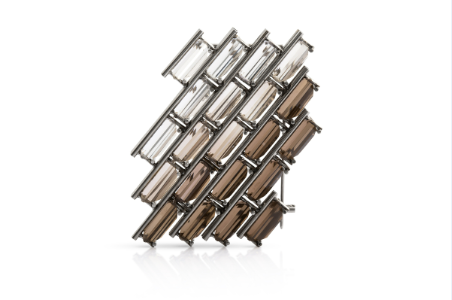
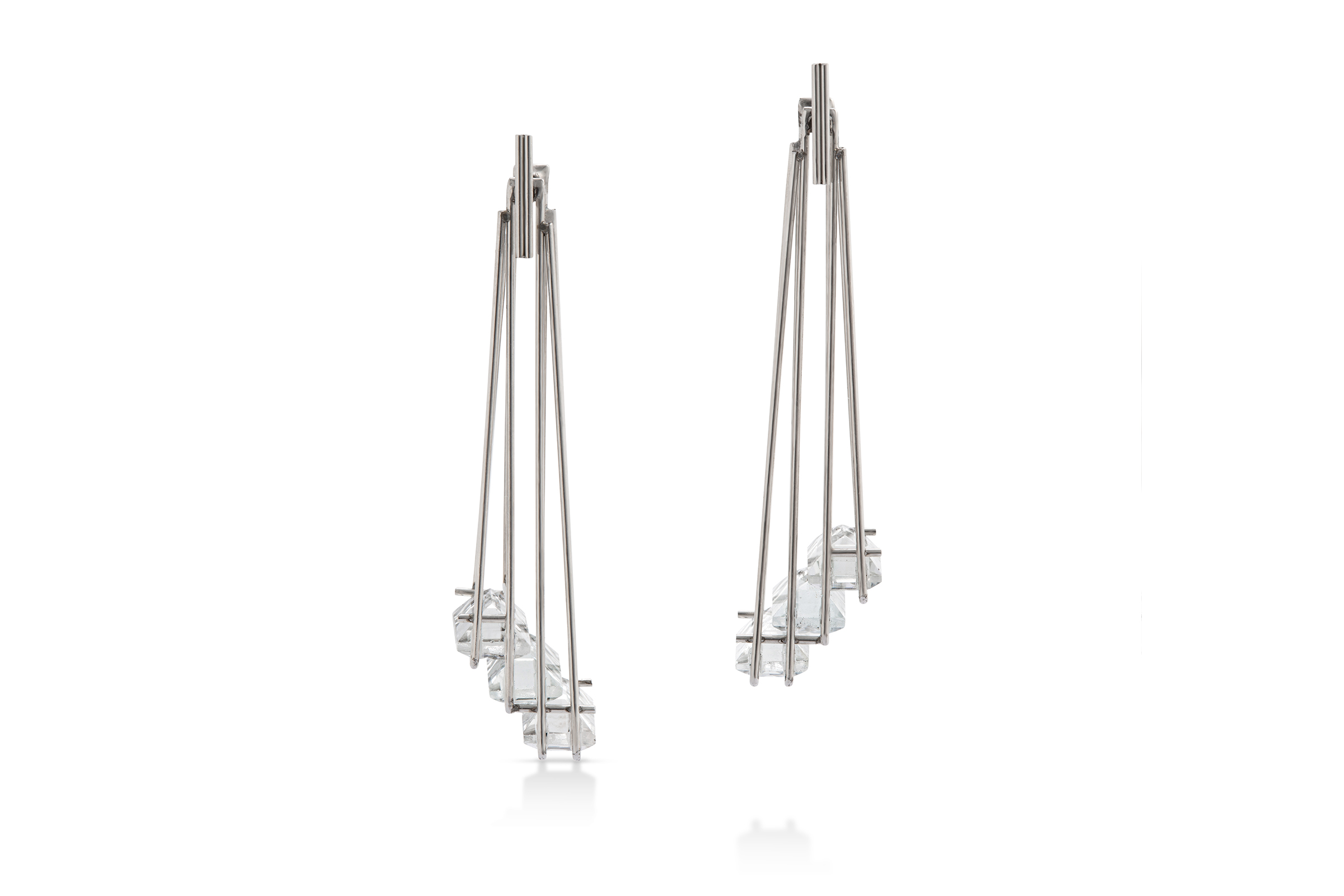
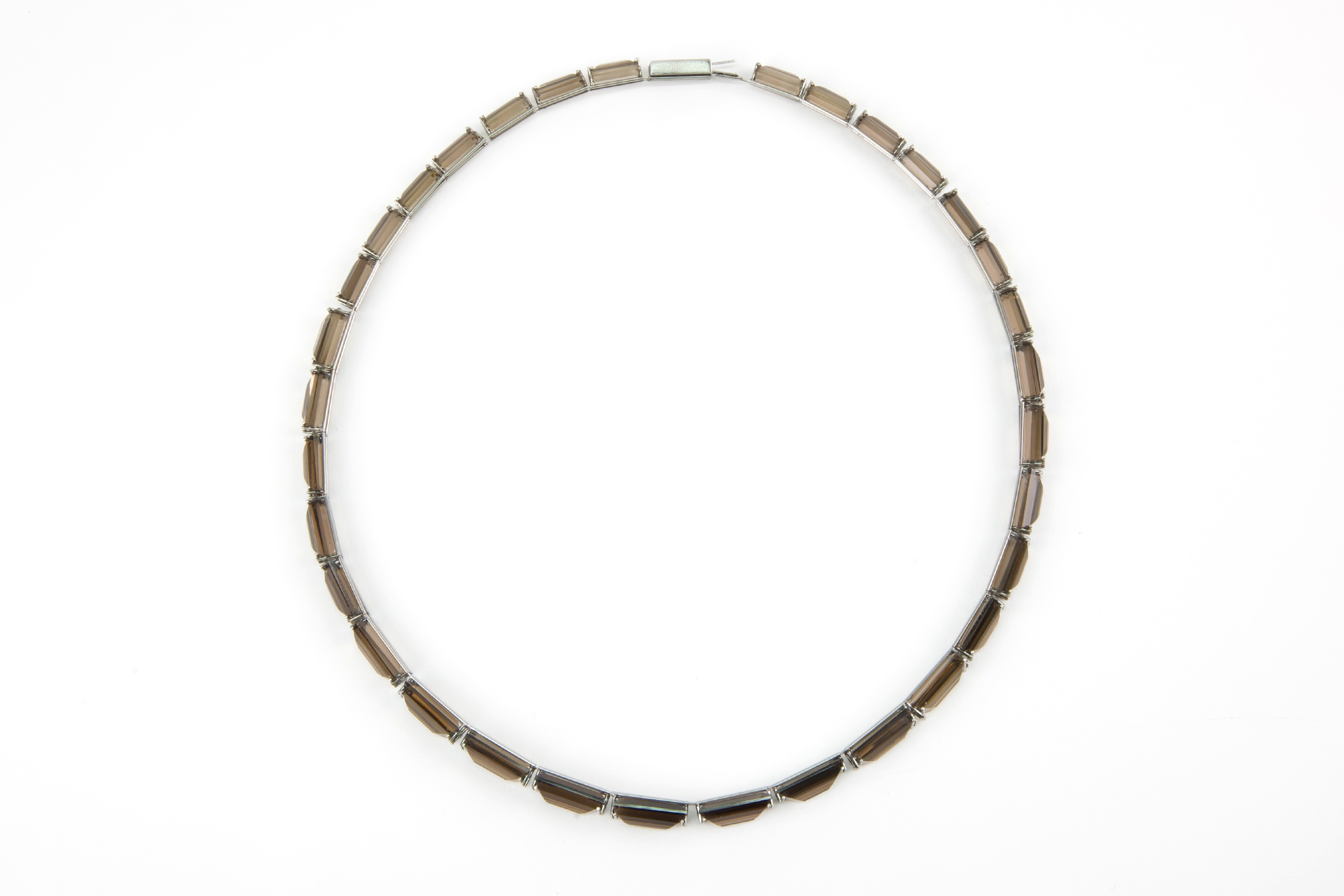
My practice is informed by architectural elements that mediate light, space, and perception—specifically bricks, blinds, and windows. These structures create distinct atmospheres through rhythm and spatial framing. The work of Tadao Ando, with its disciplined minimalism and precise orchestration of light and shadow, forms a central point of reference and provides the conceptual framework for this collection.
Translating these architectural principles into contemporary jewellery, this body of work employs an experimental stone-setting method developed and refined through my master’s research. The technique is highly meticulous and time-consuming, requiring each gemstone to be individually carved to accommodate its own setting. By integrating the setting directly into the stone, the process redefines the traditional hierarchy between metal and gemstone, positioning the stone as both structural and aesthetic foundation. This self-innovated approach challenges established conventions in lapidary and metalwork, offering new possibilities for how gemstones can be presented and experienced. The collection showcases the interplay of smoky quartz and white topaz, exploring their material and optical qualities. I have extended this exploration through heat-treating smoky quartz to create a subtle gradient effect, evoking the way light filters through blinds or reflects off windows at dawn or dusk. To secure these stones with structural integrity yet minimal visual disturbance, I use advanced laser-welded stainless steel for a precise and stable setting. This collection articulates a narrative of architectural rhythm and temporal light. By combining self- innovated setting techniques with material experimentation, the pieces serve as miniature spatial interventions—evoking the quiet transformation of light at different hours of the day.
Nga Ching Ko
Nga Ching Ko
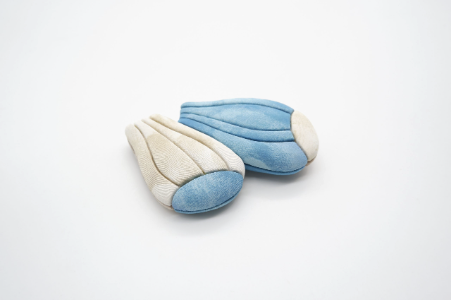
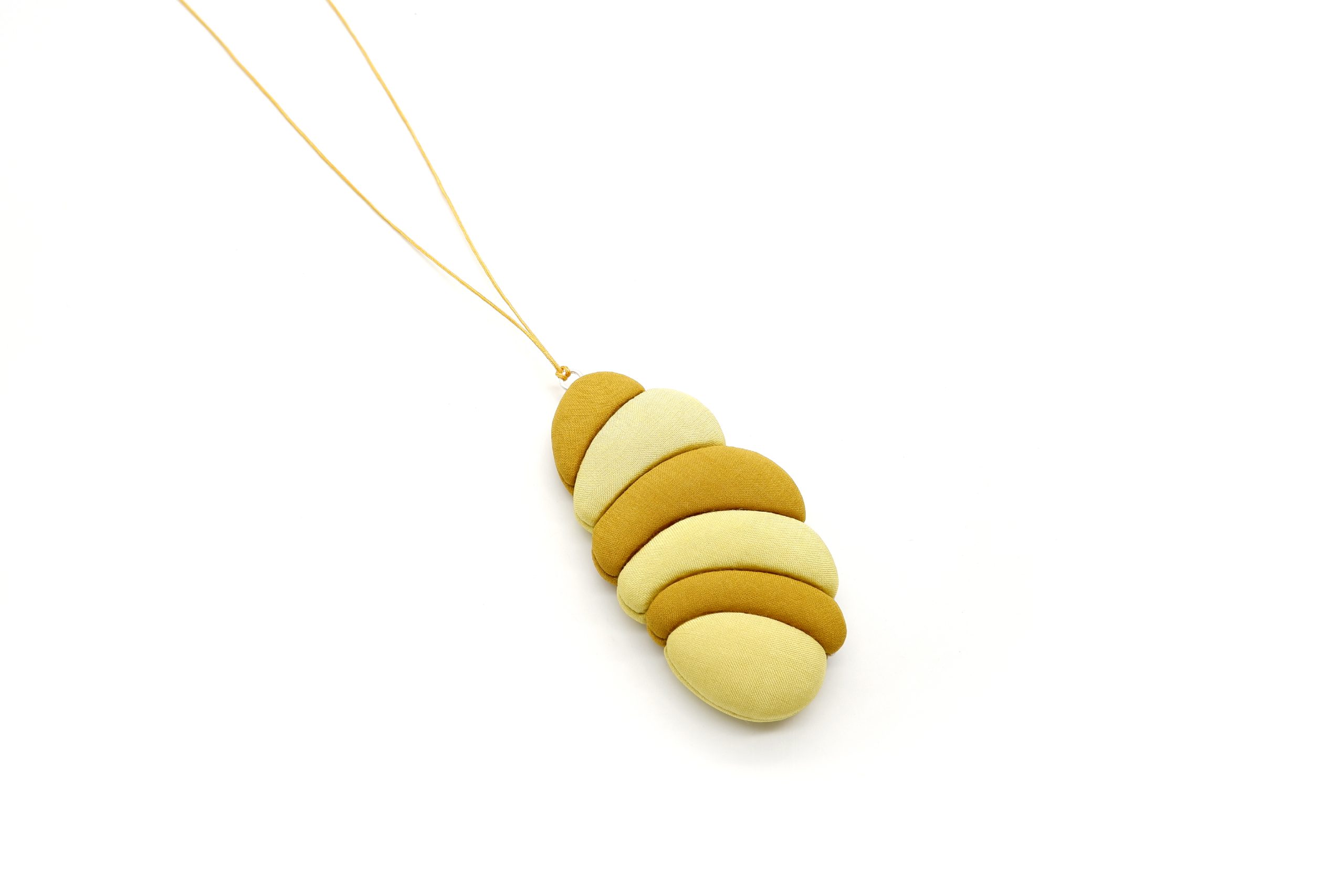
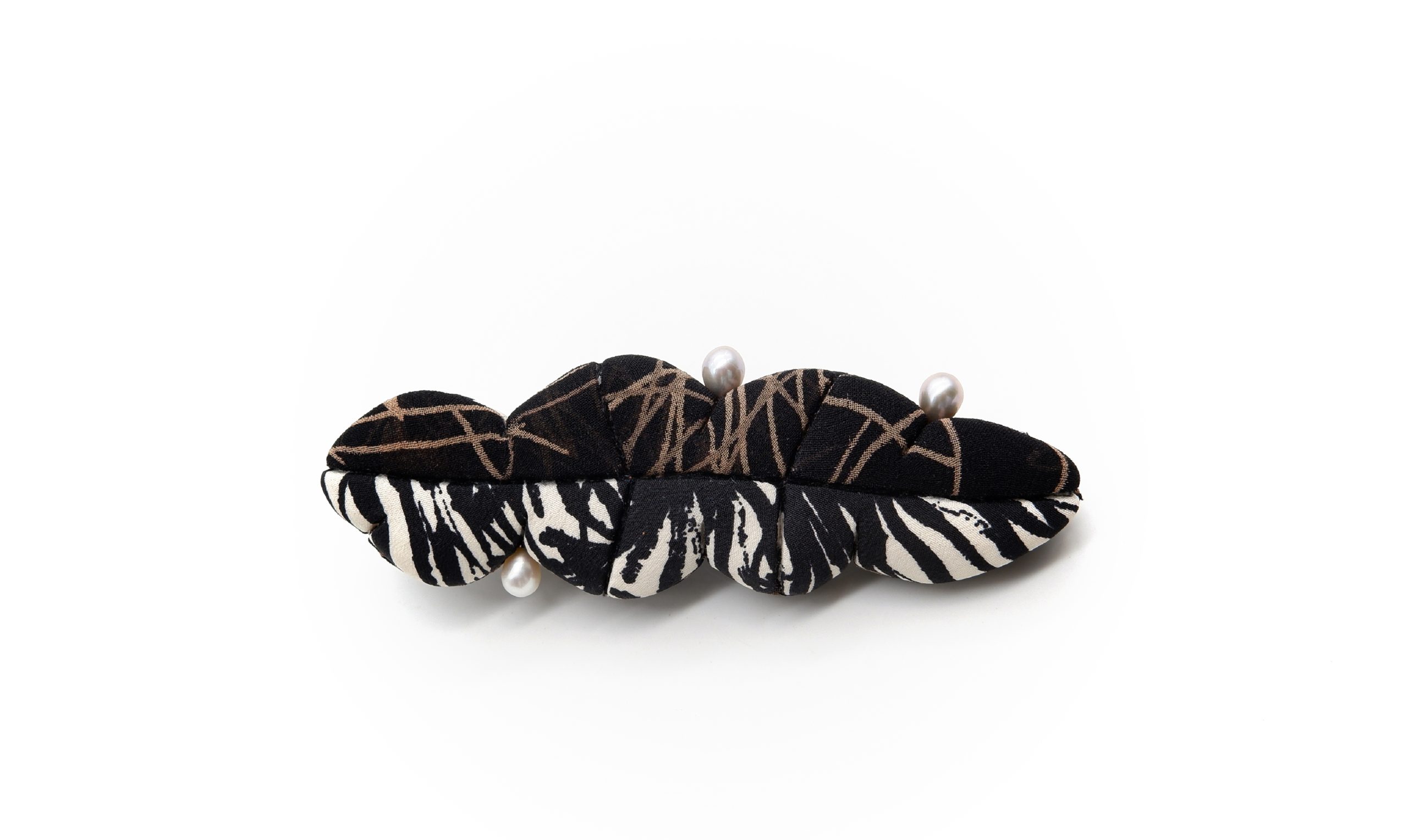
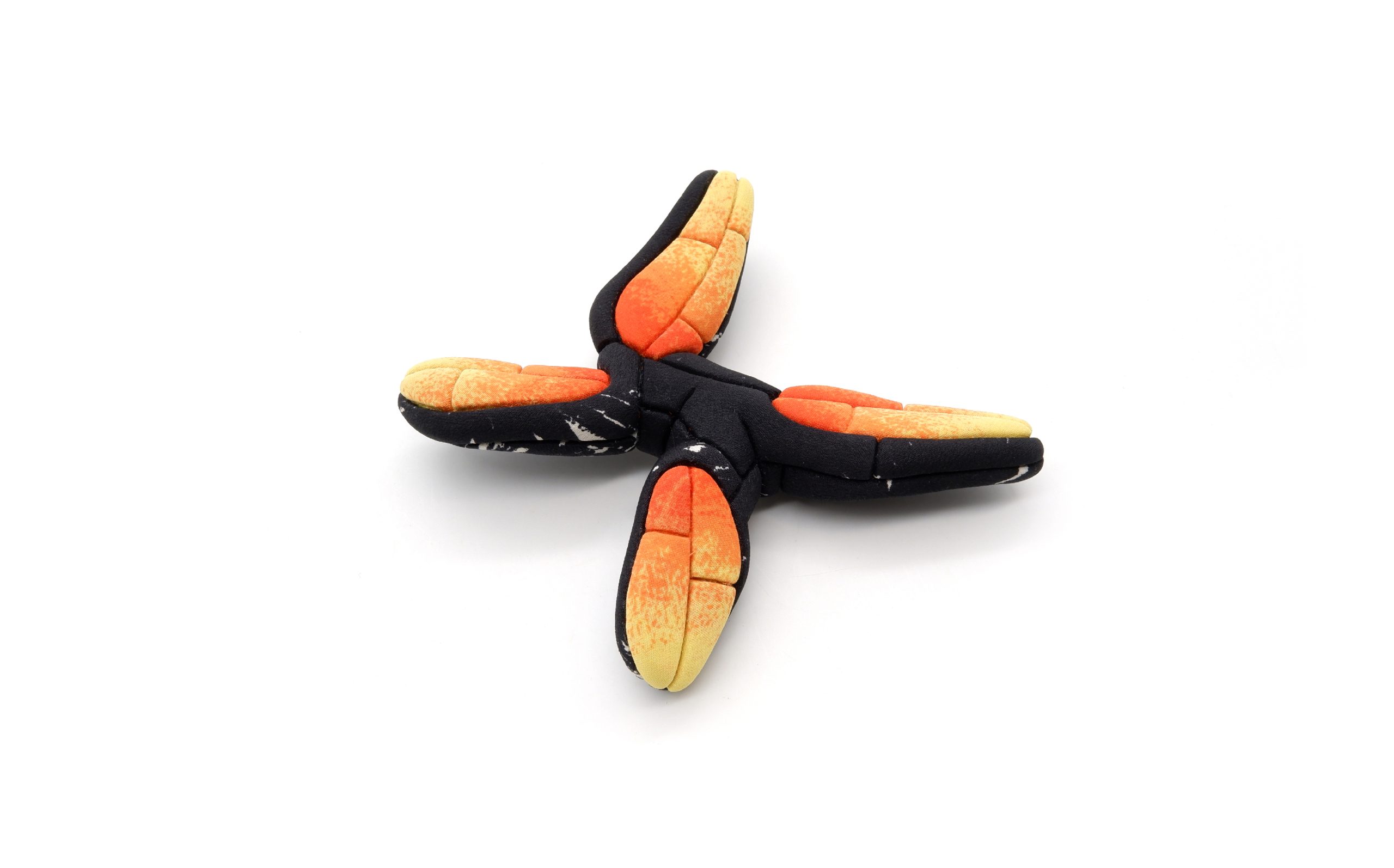
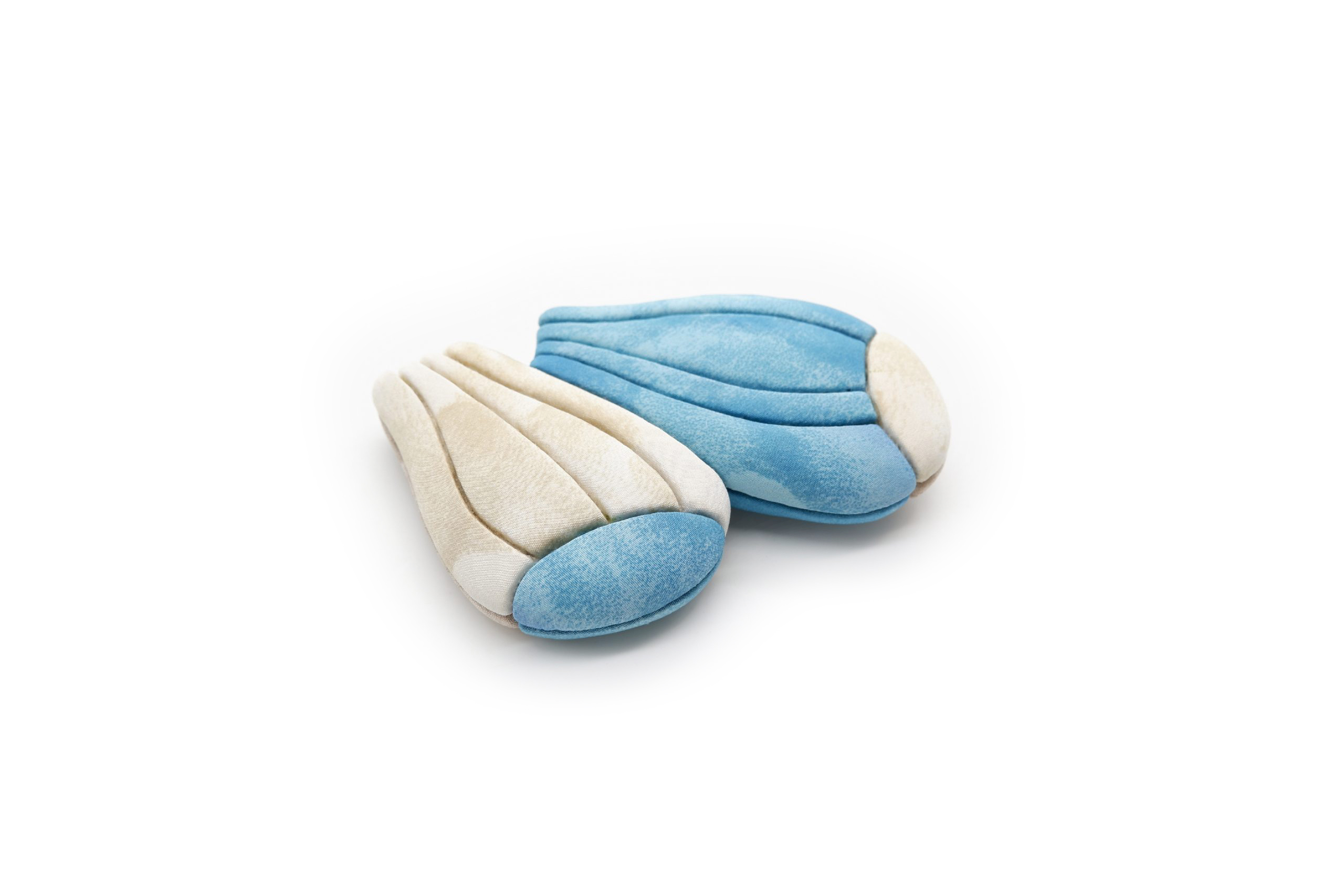
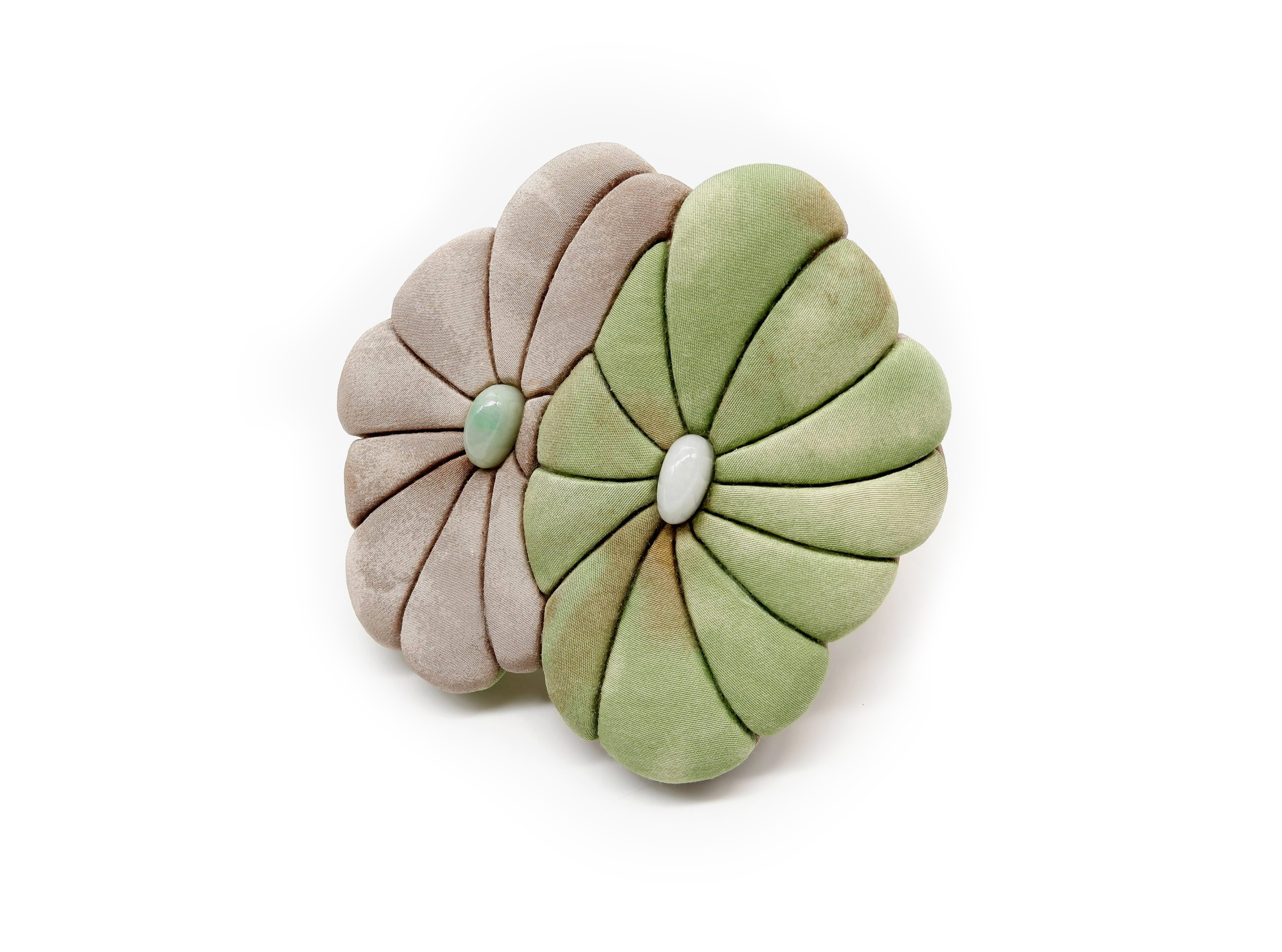
Excessive production, usage, and disposal by people have put tremendous pressure on the environment caused by textiles. Second-hand stores are filled with clothes, and even donating them does not alleviate the burden efficiently. In reality, it is not easy for old clothes to be selected in the second-hand market. The clothes need to be liked by someone, fit someone, and be in good condition or have few flaws. The Replay series uses second-hand clothes collected from second-hand stores or garbage dumps and reinterprets them through craftsmanship. The remaining good parts of the old clothes are extracted and developed into artworks. The second-hand clothes are re-worn in the form of jewelry. As these second-hand clothes transform from finished products into raw materials, they also grant the creators the privilege to imagine the past of these clothes. The process of observing the details is like replaying snippets of the previous owners’ lives. These observations of second-hand clothes become the inspiration for creation, where the patterns and colours of the textiles lead to different forms. In the production of the works, the handling of fabric and the material in Japanese craft Kimekomi (木目 込み人形)” was referenced. This technique allows the fabric, as a material, to be presented in a stable and firm manner rather than in a light and fluttering state.
Lulu Tian
Lulu Tian
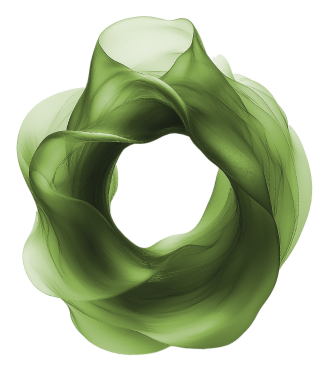
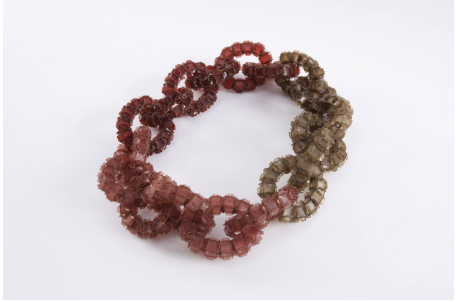
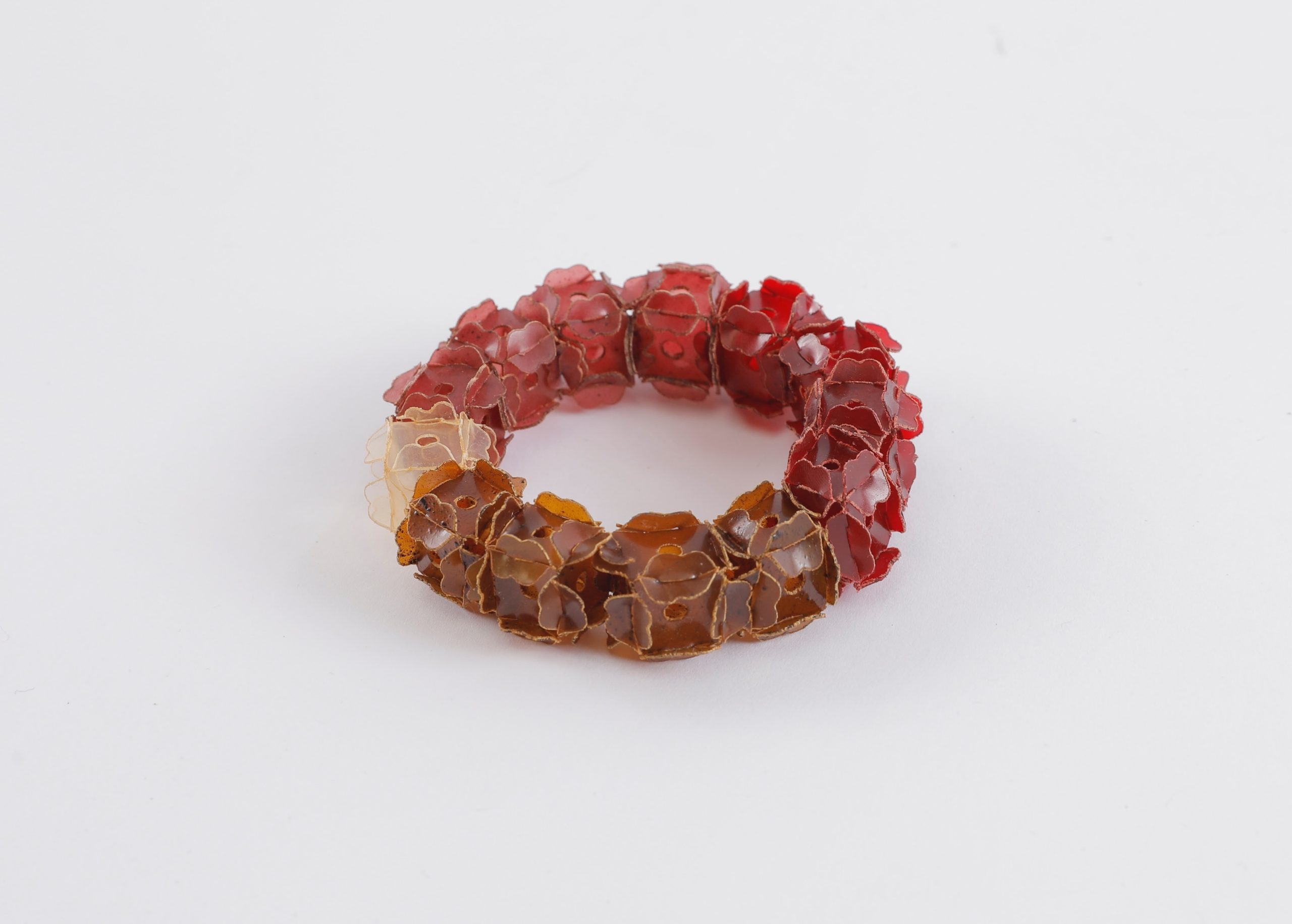
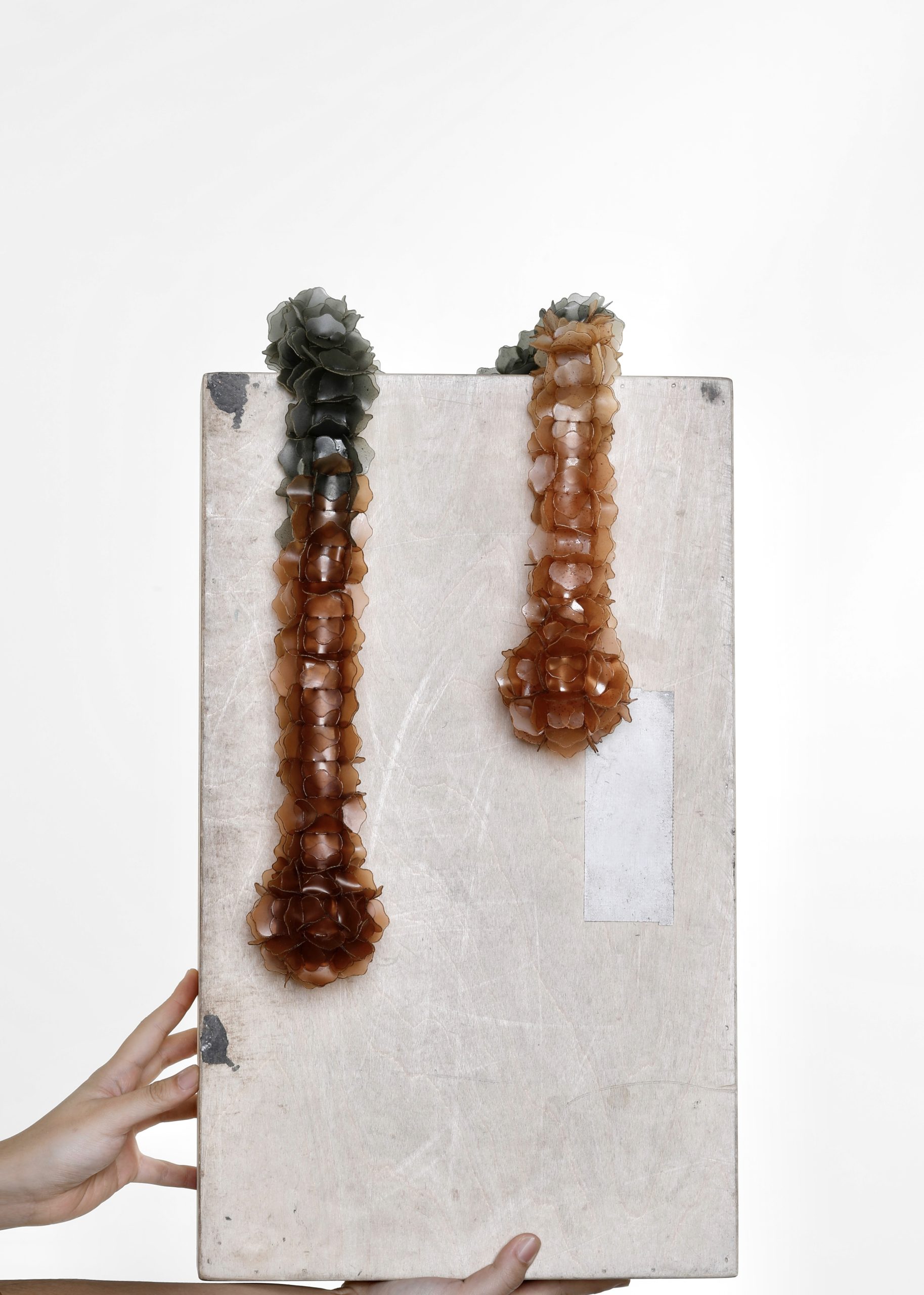
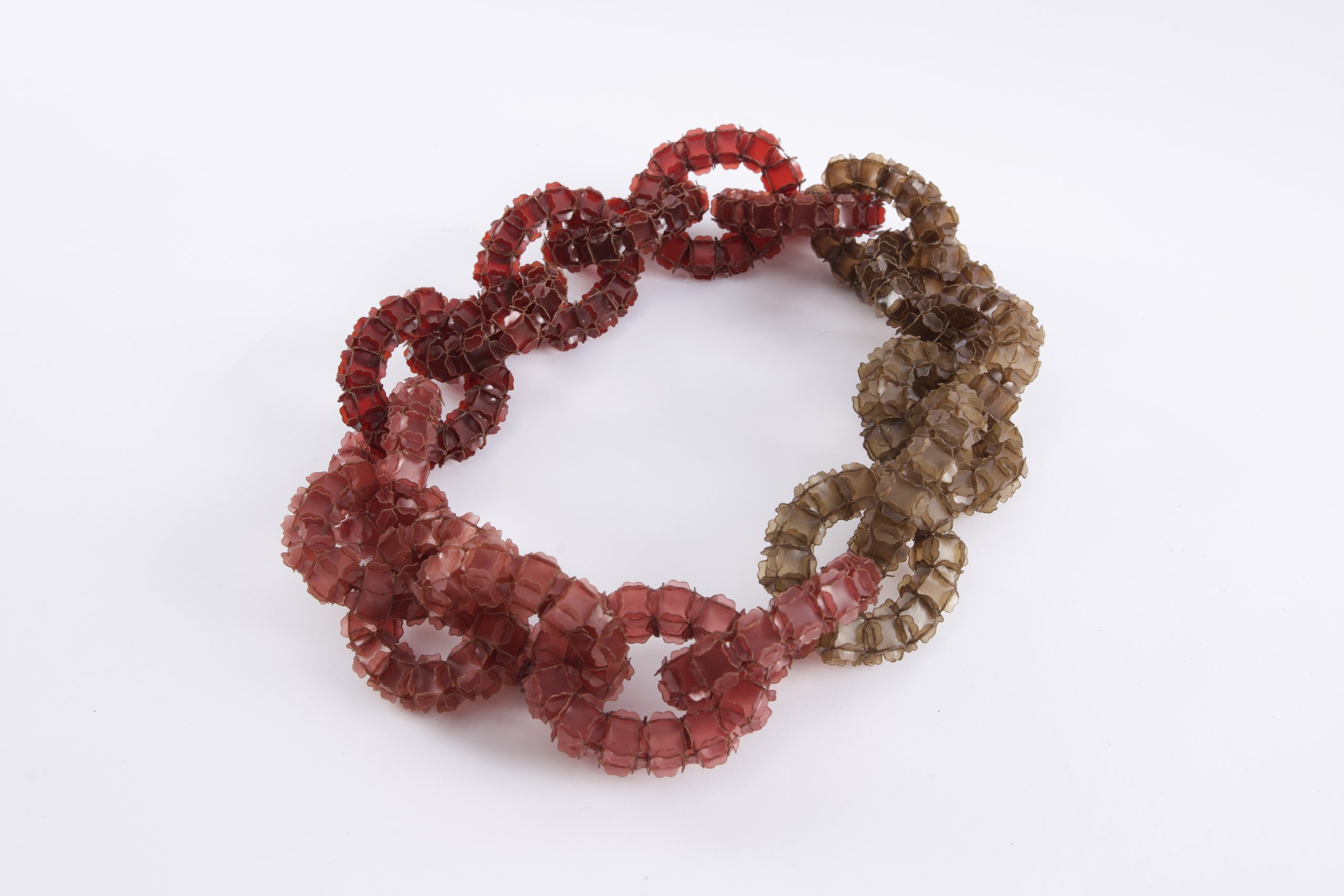
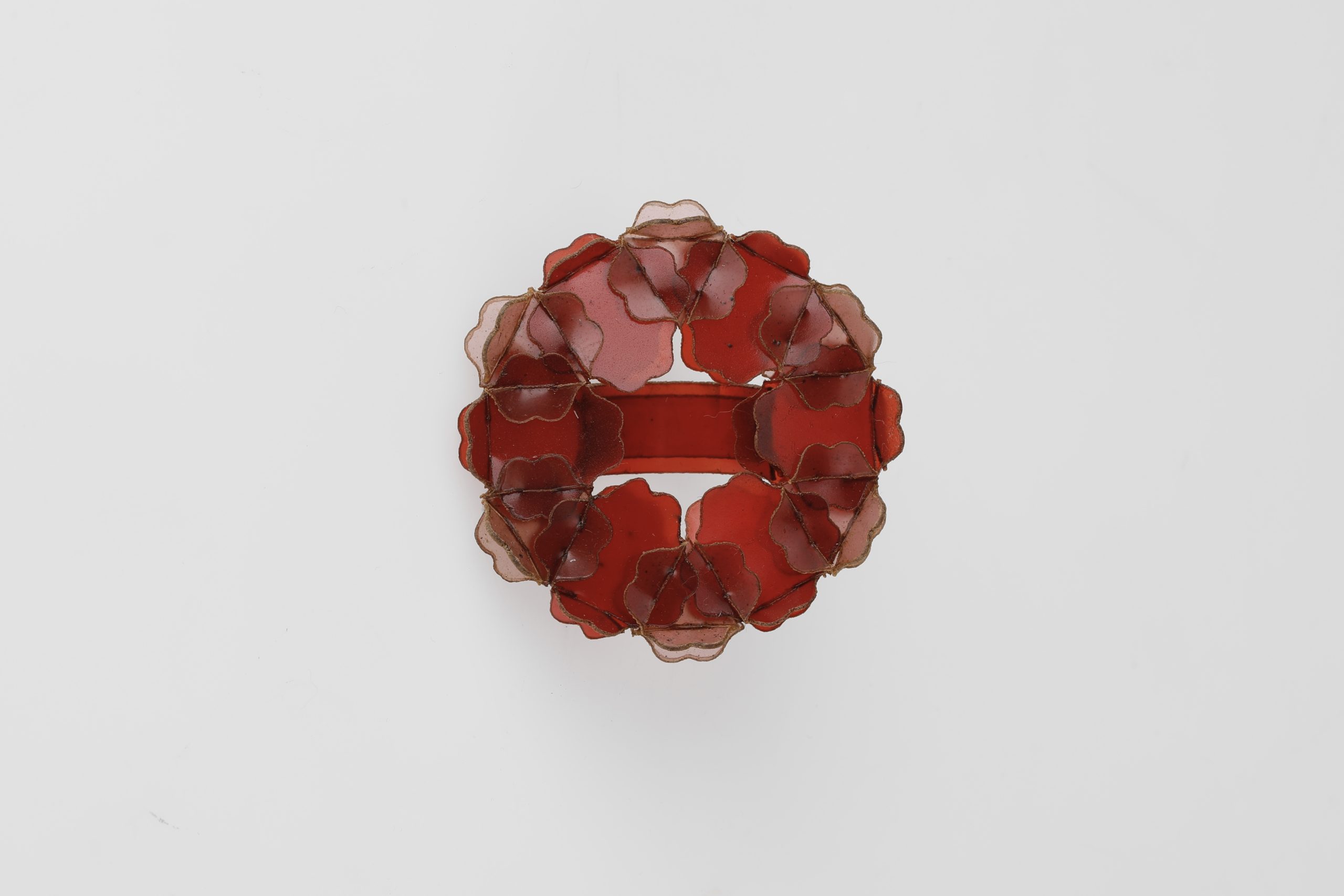
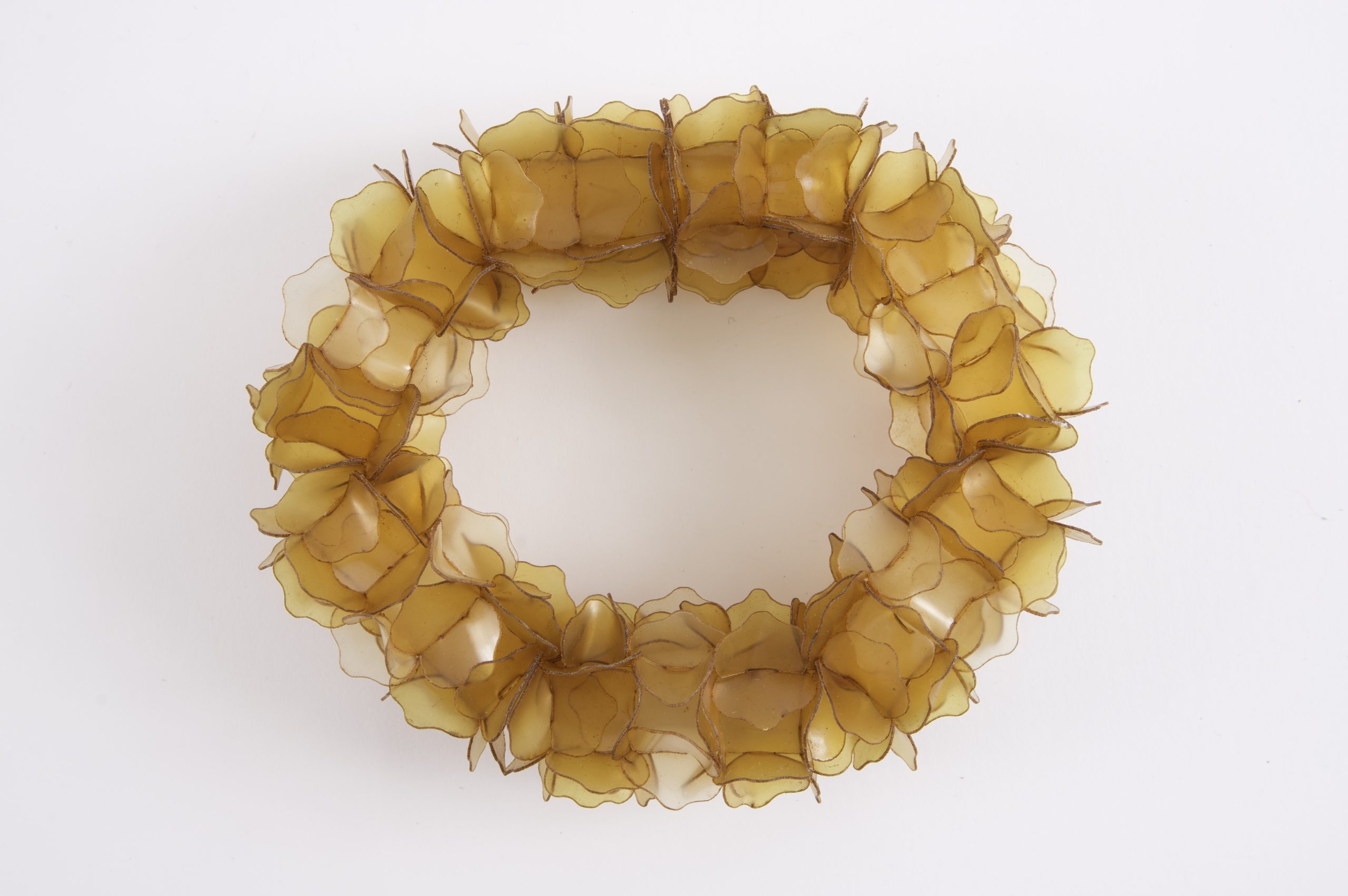
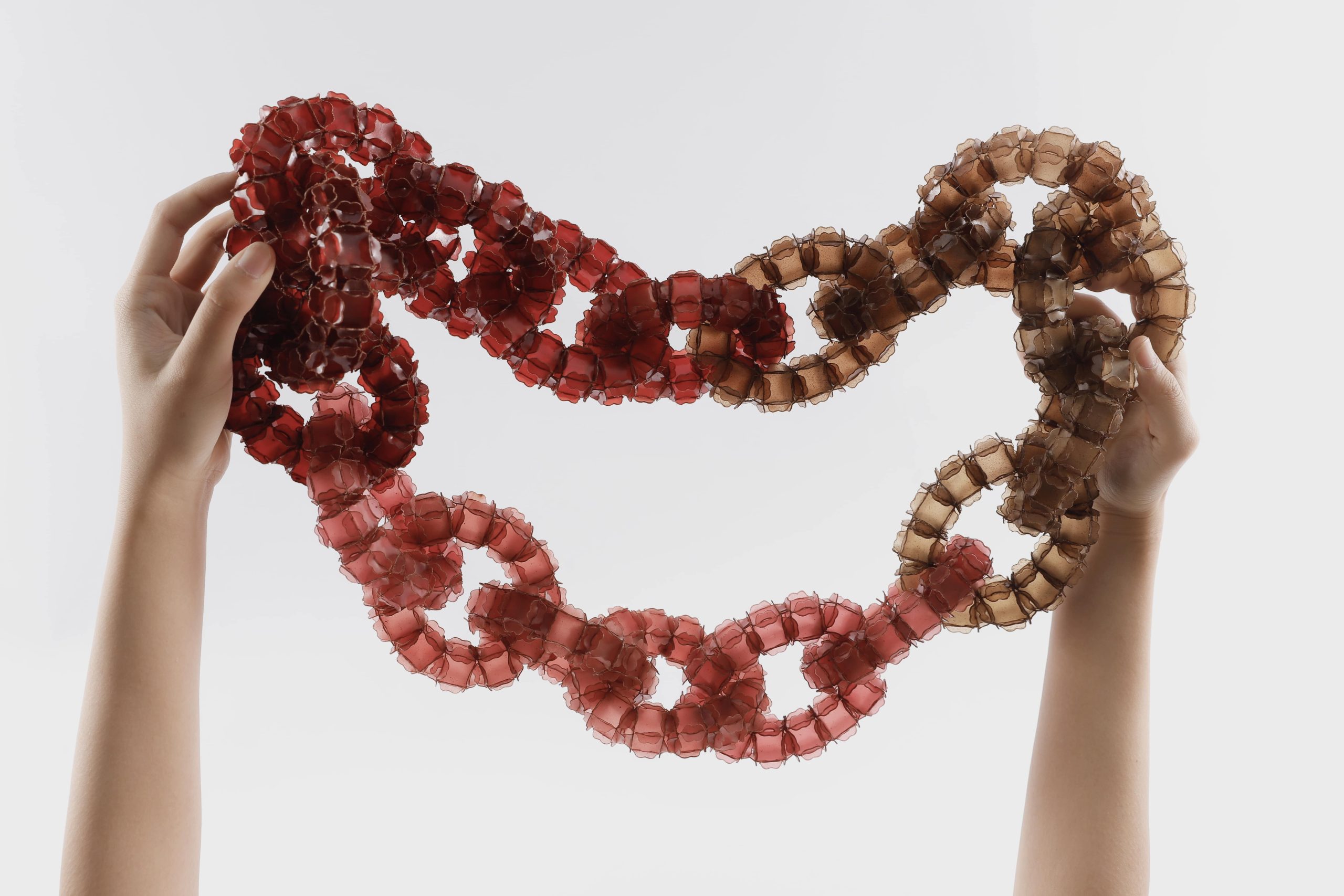
When The Ocean Left Its Dead Alive. My project explores the intersection of jewellery, biomaterials, and the marine cycle, using fish scale bioplastic—a biodegradable material I developed from discarded fish scales. By transforming this overlooked waste product into a versatile medium, my work redefines jewellery materials while highlighting ecological responsibility in design. The core concept is nature reclaiming the body: jewellery as a wearable extension of the ocean. Inspired by marine organisms, each piece is conceived as something that drifts, grows, and eventually returns to its origin. I look to life forms such as seaweed undulating in currents, plankton moving in collective rhythms, and coral polyps layering over time. These natural growth patterns inform a modular construction system, allowing pieces to visually expand and flow across the body, as if ocean life is taking over. The bioplastic is coloured using natural dyes extracted from plants and fruits, including brazilwood, weld (Reseda luteola), walnut, and pomegranate. These pigments enhance the material’s organic qualities while echoing the vibrancy and fragility of marine ecosystems. Each jewellery form is built through a modular system: flat sheets of bioplastic are laser cut into individual units, which are then slotted together to create intricate three-dimensional shapes. This construction method eliminates adhesives, minimises waste, and preserves the purity and adaptability of the material. Some pieces are adjustable, with components that can be taken apart and reassembled to fit different sizes, making the designs versatile and inclusive. The use of biodegradable material ensures that the jewellery will naturally degrade over time, mirroring the cycles of marine life. This impermanence invites reflection on the transient nature of beauty and our relationship with the objects we wear. Once discarded, the pieces return to the earth, completing both a material and conceptual cycle. Ultimately, When The Ocean Left Its Dead Alive envisions jewellery as a living entity—an organism that drifts, evolves, and dissolves back into the sea. By turning waste into a poetic material, the project offers an alternative narrative of adornment: one rooted in the rhythms of the ocean, in transformation, and in quiet ecological resilience
Jiangling Wang
Jiangling Wang
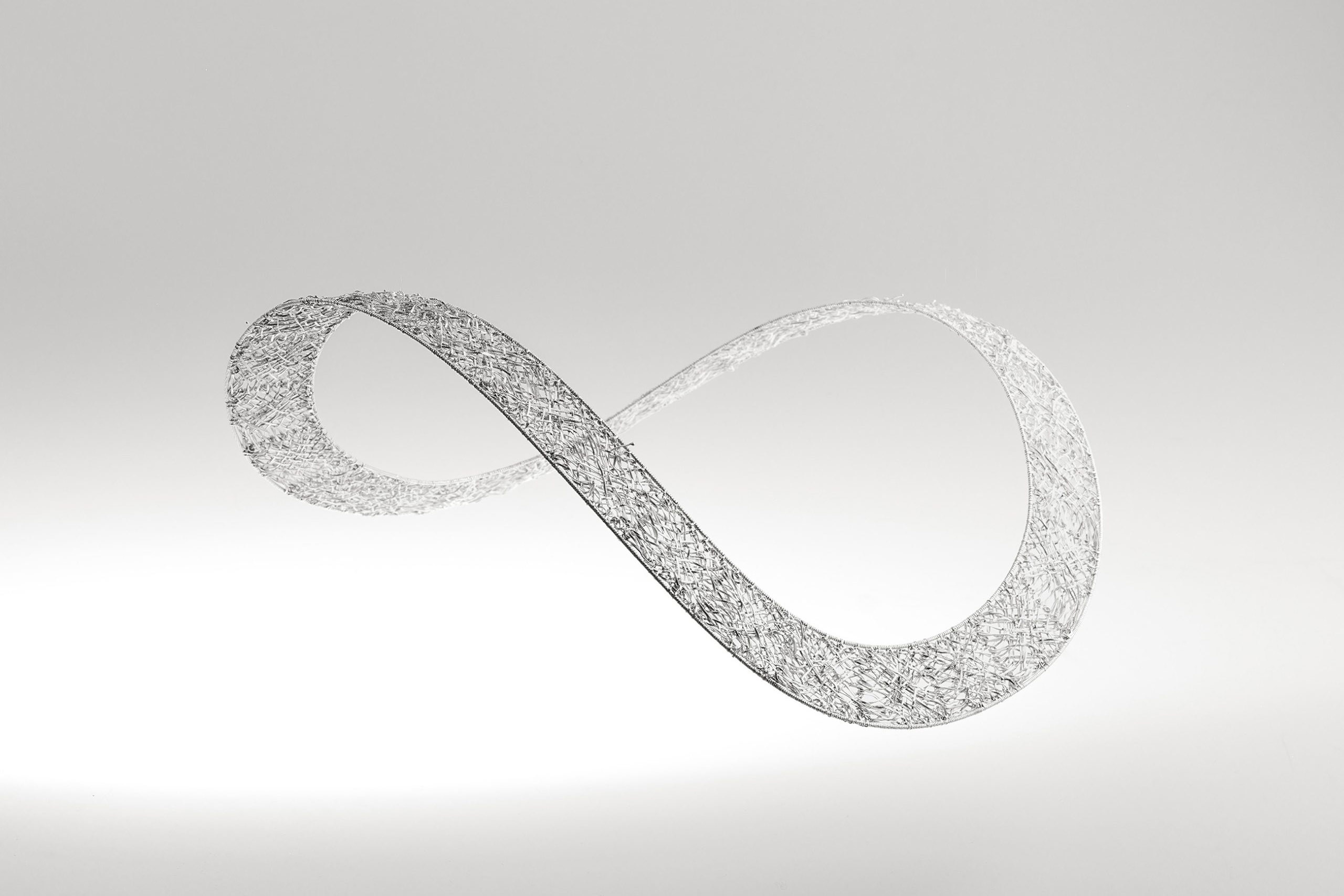
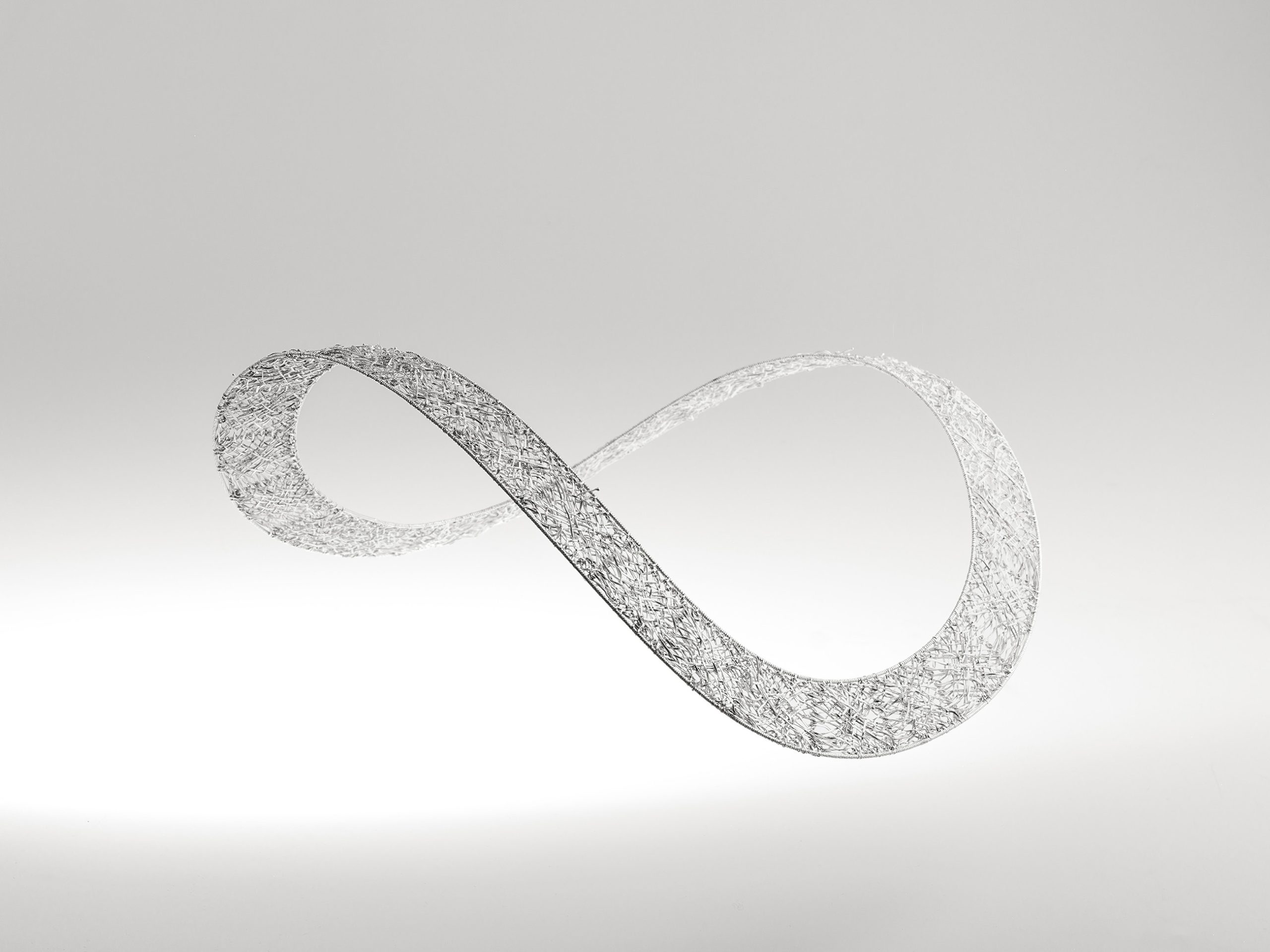
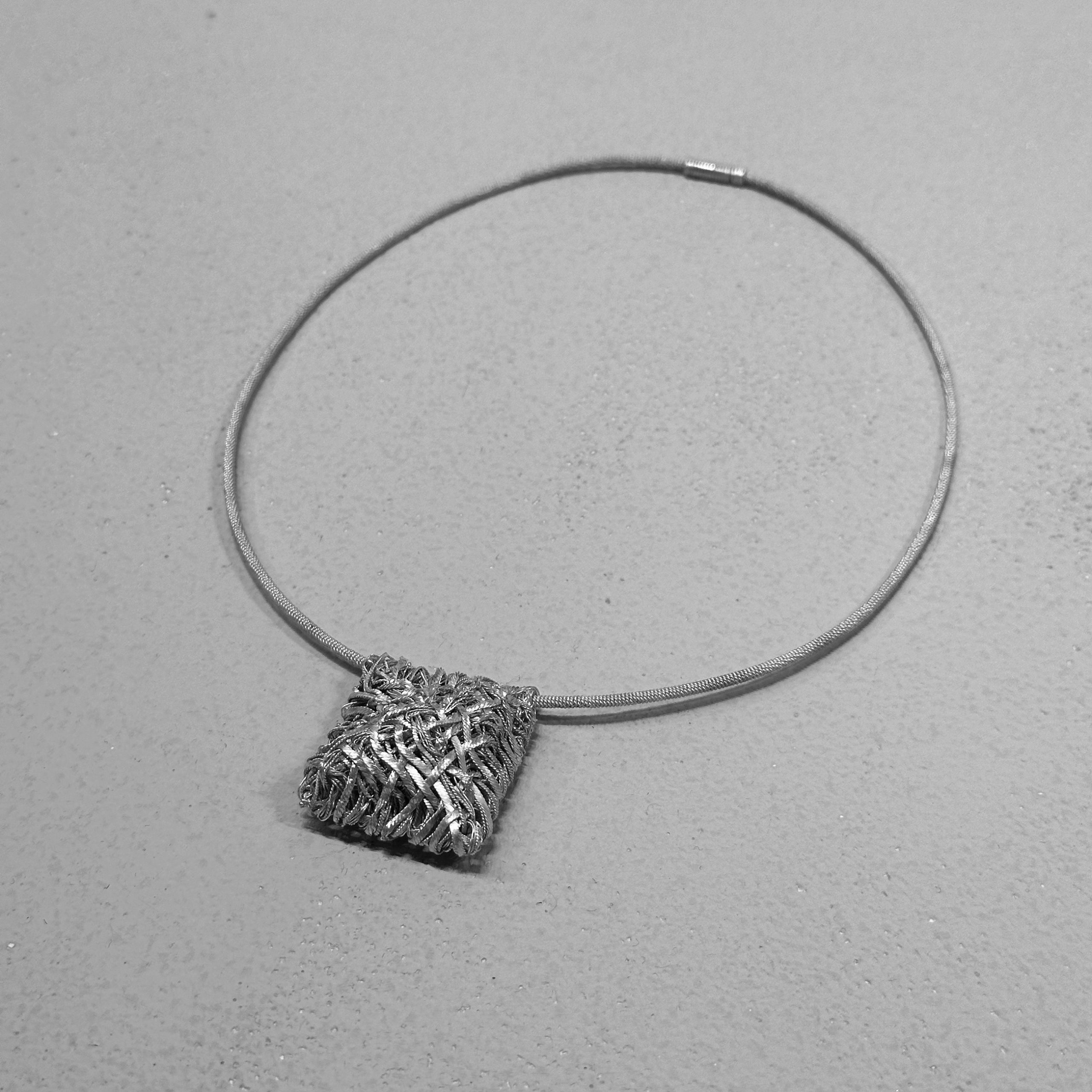
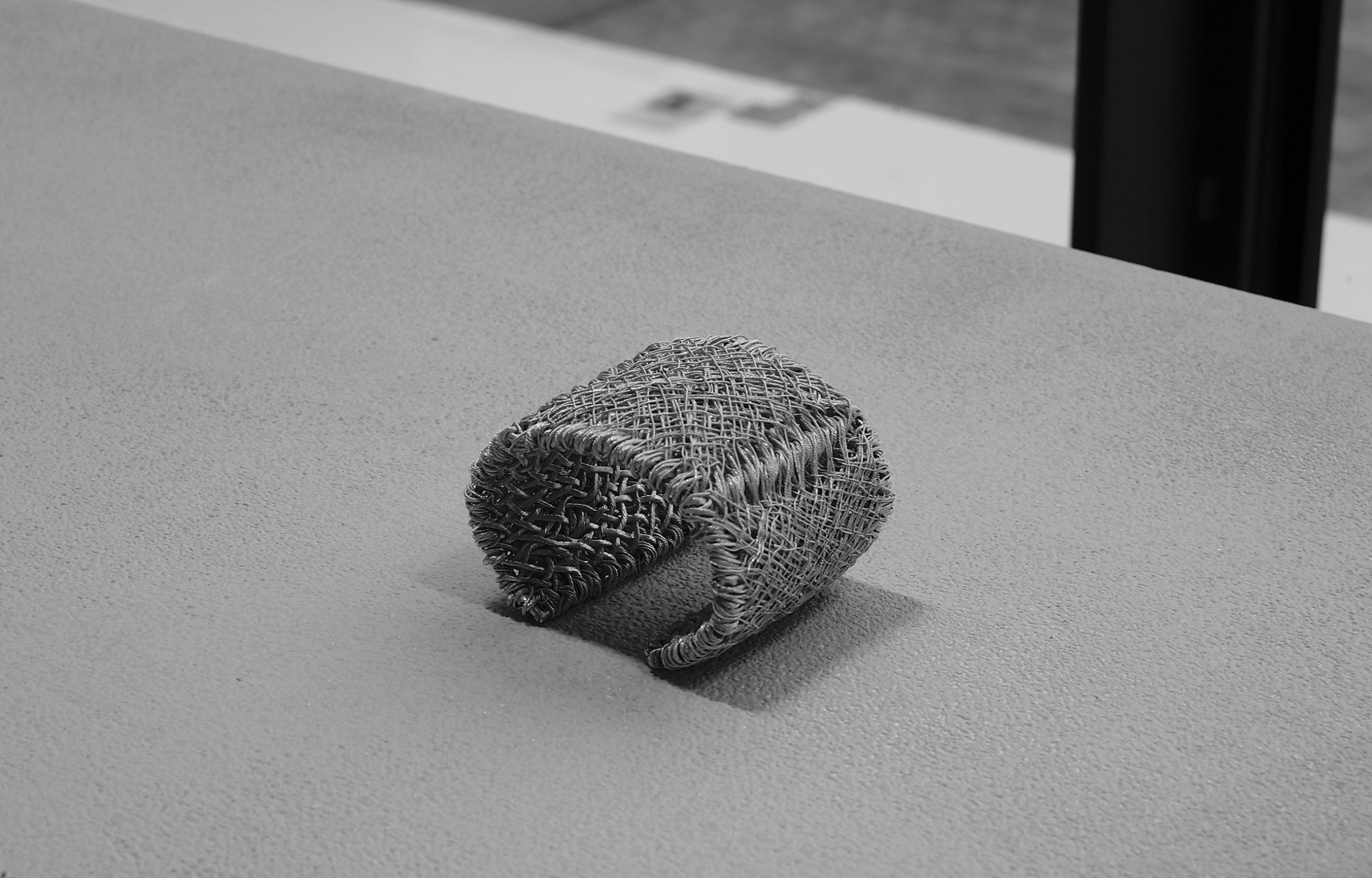
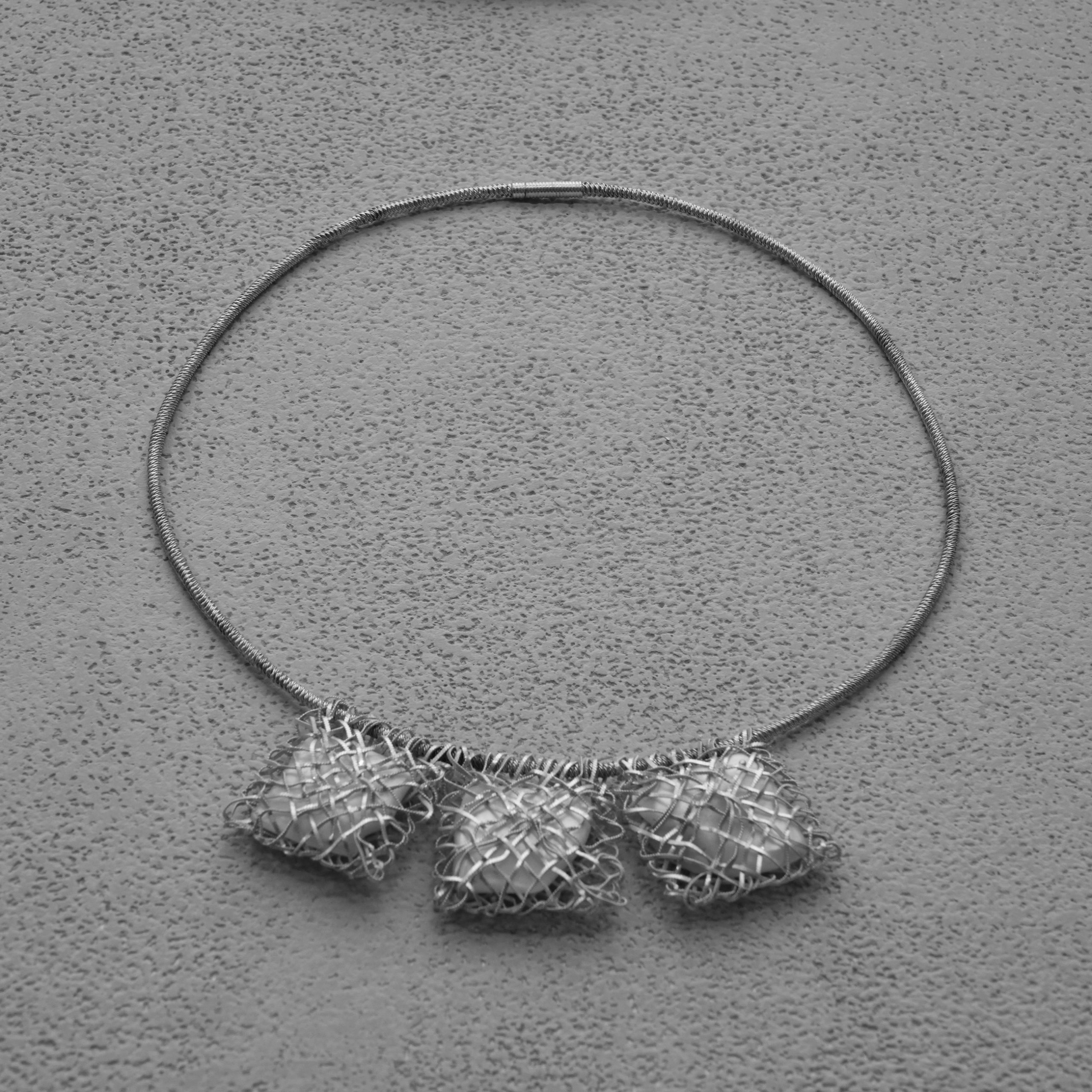
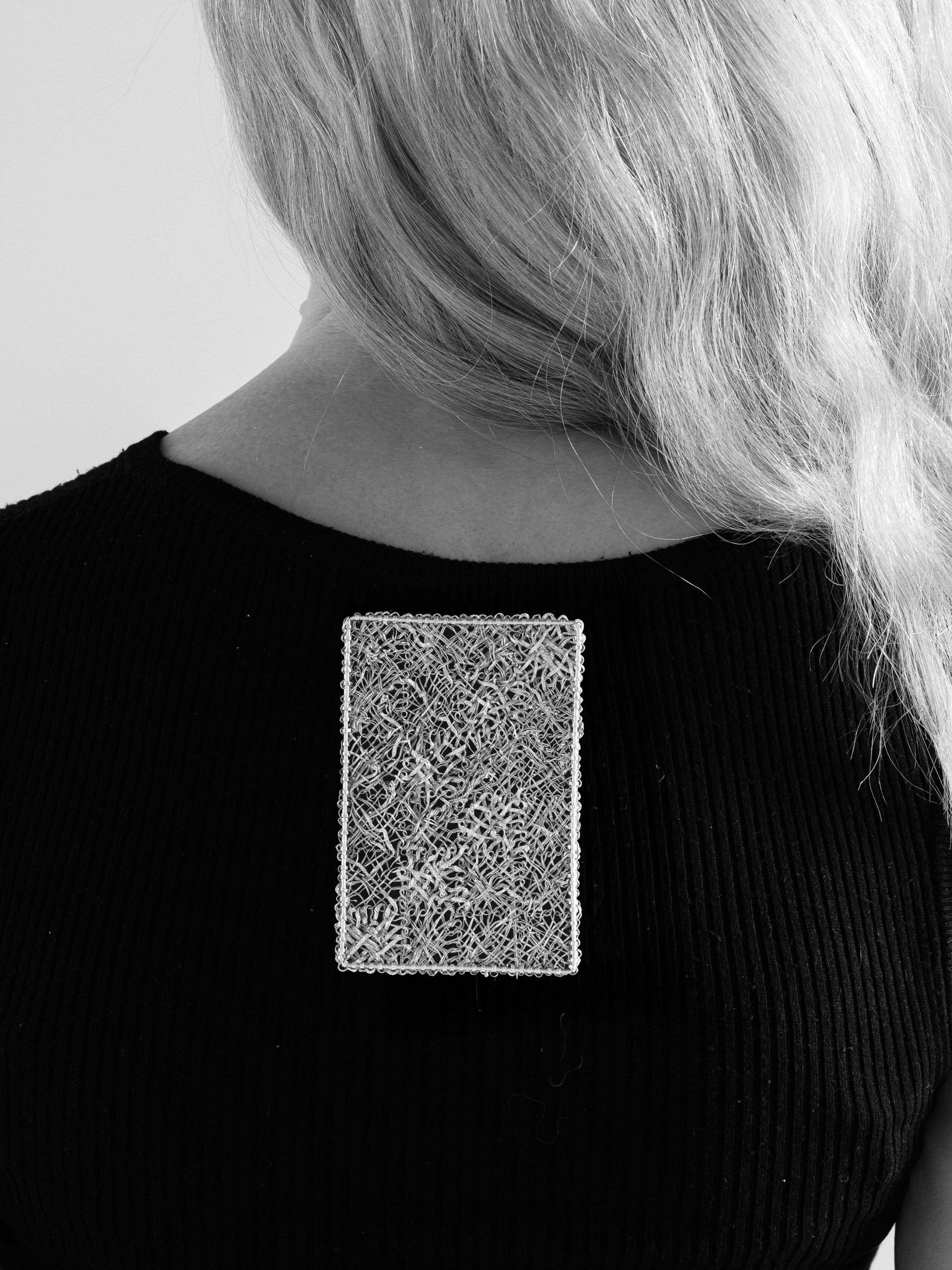
The CANG 藏 series draws inspiration from textile craftsmanship, exploring the interaction between tools, techniques, and materials in the formation of jewellery structures. Silver serves as the primary medium, hand-twisted into various wire forms, then woven, assembled, and reconstructed to examine the flow and rhythm between lines. A distinctive aspect of the project lies in the self-made tools, which act as “co-creators” in the making process. Through resistance, form, rhythm, and tactility, the tools directly influence the structure and language of each piece. This “tool-product symbiosis” method broadens the possibilities of design and emphasises the embodied knowledge and cultural value of handcraft. Through refined and fluid forms, Wang seeks to convey a quiet inner strength, engaging with ongoing dialogues on material language and sustainable practice in contemporary design. The meaning of “藏” (CANG) is similar to “hide” or “conceal” in English. In Chinese culture, the character “藏” carries rich meanings such as to store, to hide, to preserve, or to guard. It symbolizes inner strength, restrained beauty, and the quiet depth of wisdom. Within my project, “藏” reflects not only the refined and subtle visual language of the pieces, but also the tension and power embedded within their structures. It celebrates the cultural depth of craftsmanship, conveying a sense of quiet resilience and emotional intensity through intricate weaving and form-building processes.
Jury
- Giò Carbone
Founder and Director, Le Arti Orafe.
Founder and coordinator, PREZIOSA
and PREZIOSA YOUNG – Florence Jewellery Week project - Alice Rendon
Art Historian, Lecturer, Curator - Maria Laura La Mantia
Jewellery Historian, Lecturer - Laura Helena Aureli
Founder and Creative Director, Lost In Jewellery
Magazine and MyDayByDay Gallery, Rome - Petra Brenner
Founder and Director, SCHMUCKE Galerie, Berlin - Farieda Nazier
Artist, Curator, Senior Lecturer, FADA Gallery,
University of Johannesburg
-
Irina Probst
Exhibition Manager, INHORGENTA, Munich -
Laura Astrologo Porché
Jewellery & Watches Journalist, Founder of Journal des Bijoux, Chief Editor of Celebre Magazine Group, Editor for Forbes Italia, Robb Report Italia, l’Orafo Italiano -
Thereza Pedrosa
Founder and Director, Thereza Pedrosa Gallery, Asolo, Italy -
Bryna Pomp
Director, MAD About Jewelry, Museum of Arts and Design, New York -
Doreen Timmers
Founder and Director, Galerie Door, Nijmegen,
the Netherlands -
Zhipeng Wang,
Jewellery Artist, selected for the 2021 edition
of PREZIOSA YOUNG
Traveling exhibition schedule
The winners’ exhibition will be presented during the

MIDA 2026
MIDA (International Handicrafts Exhibition)
Florence, Italy
April 25 – May 3, 2026
Polveriera pavilion, a space entirely dedicated to LAO
SCHMUCKE Galerie
by Petra Brenner
Berlin, Germany
May 23 – June 13, 2026

Galerie Door
by Doreen Timmers
Nijmegen, the Netherlands
July 11 – August 15, 2026

Thereza Pedrosa Gallery
by Thereza Pedrosa
Asolo, Italy
November 7 – 29, 2026
Any other dates are currently being finalized.
Partner





Media partner